

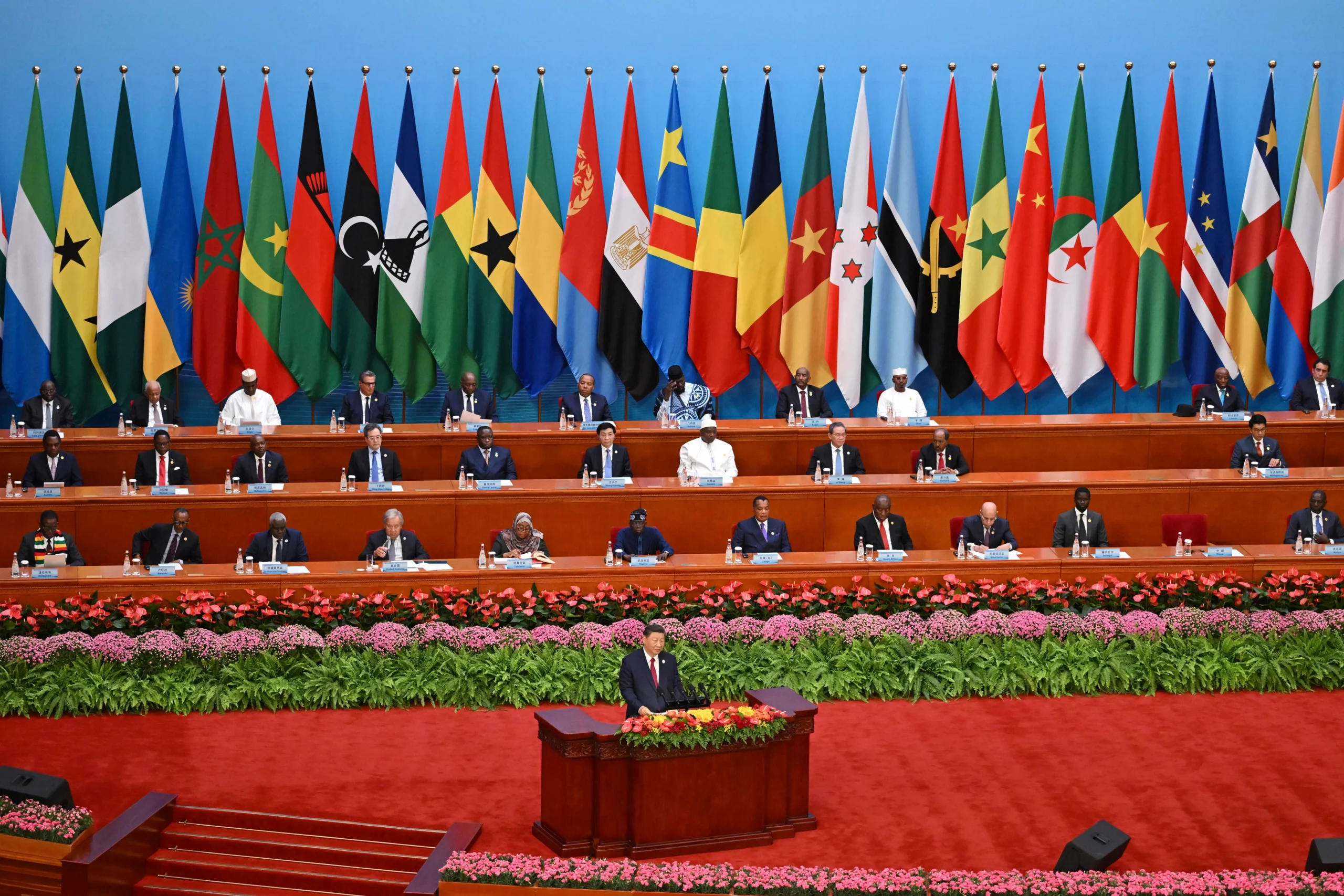
China’s position as a major financier for developing countries has undergone a significant transformation over the past decade. New lending to poorer nations has dropped sharply, while repayments on earlier loans continue to climb. According to fresh analysis from ONE Data, this shift is reshaping global development finance—particularly for African countries.
The first report released by the ONE Data initiative reveals that many low- and middle-income countries, especially across Africa, are now sending more money back to Beijing in debt repayments than they receive in new funding. In fact, African nations now repay more money to China than they receive in new loans, marking a clear reversal from the lending boom of the 2010s.
This change has occurred alongside a major rise in financing from multilateral institutions such as development banks. Once debt-service payments are factored in, these institutions have become the dominant source of development finance. Over the past ten years, net financing from multilateral lenders has increased by 124%, accounting for 56% of total net flows—about $379 billion—between 2020 and 2024.
David McNair, executive director at ONE Data, explained that the imbalance is largely driven by legacy loans. While new Chinese lending has slowed, countries are still obligated to repay earlier borrowing. “There’s less lending coming in, but previous lending from China still needs to be serviced—that’s what’s driving the outflows,” he said.
Africa has felt the impact more acutely than any other region. During the 2015–2019 period, the continent recorded a net inflow of $30 billion. However, between 2020 and 2024, this swung dramatically to a net outflow of $22 billion, reflecting rising repayment pressures and reduced external financing.
The data analyzed does not yet include funding cuts that took effect in 2025. The shutdown of the U.S. Agency for International Development last year, along with reduced aid allocations from other developed nations, has already placed additional strain on developing economies—particularly in Africa. McNair noted that once 2025 figures are available, they are expected to show a sharp decline in Official Development Assistance.
While the overall trend is negative for African nations—many of which are struggling to fund essential public services and long-term investments—there may be a silver lining. Reduced dependence on external financing could encourage stronger domestic accountability and governance. However, the report also points to a wider downturn in bilateral financing and private external debt, trends likely to worsen as global aid cuts deepen in the years ahead.

