

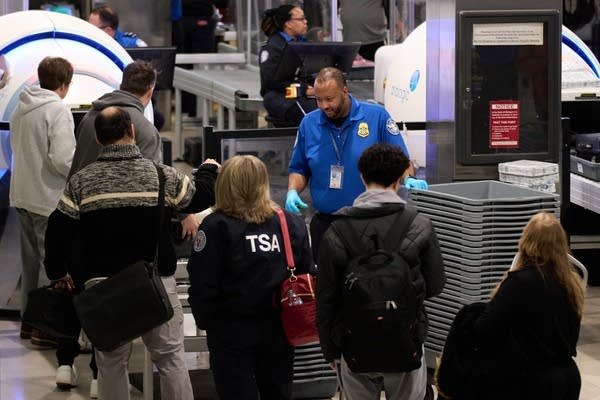
A partial shutdown of the U.S. Department of Homeland Security has once again placed pressure on America’s aviation system. Funding for the department expired at midnight on Saturday, directly affecting the agency responsible for screening passengers and luggage at airports nationwide.
As a result, TSA officers are continuing to work without pay at U.S. airports amid another government shutdown, raising concerns among travelers who vividly remember the 43-day federal shutdown that caused flight cancellations and lengthy airport delays last year.
With the busy travel season approaching, many passengers are wondering: will history repeat itself?
Why This Shutdown Feels Different
Unlike the previous government funding lapse, this time only Homeland Security funding has expired. The rest of the federal government remains funded through September 30. That means air traffic controllers under the Federal Aviation Administration are still receiving paychecks, which reduces the likelihood of widespread flight cancellations tied directly to controller shortages.
However, the situation remains complex.
According to the contingency plan released by the Transportation Security Administration, roughly 95% of its workforce is classified as essential. That means the majority of screeners must continue reporting to work — even though TSA officers are continuing to work without pay at U.S. airports amid another government shutdown.
Lawmakers remain at an impasse. Democratic leaders in both chambers of Congress have stated they will not support new DHS funding unless additional restrictions are placed on federal immigration enforcement operations.
While last year’s shutdown disruptions built gradually, industry experts warn that this time the strain could surface sooner. The memory of working weeks without pay is still fresh for many TSA employees, potentially affecting morale and attendance.
The Risk of Longer Security Lines
Travel industry associations and major airlines have sounded the alarm. Groups including Airlines for America and the American Hotel & Lodging Association issued a joint statement cautioning that prolonged funding lapses could lead to extended wait times at airport checkpoints.
Even a small number of unplanned absences can have a noticeable impact — especially at smaller airports that operate with just one security checkpoint. If staffing tightens, passengers may face slower screening times for both carry-on and checked baggage.
Although air traffic controllers are not affected this time, delays could still occur. Airlines may choose to hold departures to allow late-screened passengers to board. Behind the scenes, limited staffing may also slow baggage inspections.
The travel industry’s message is clear: the longer the stalemate continues, the greater the pressure on airport operations.
What Travelers Are Experiencing
For frequent flyers, the uncertainty is unsettling. Business travelers and families alike are concerned about whether they will encounter long lines or unexpected delays.
Passengers who experienced the previous shutdown recall last-minute checkpoint closures and schedule reductions. While there has not yet been a similar escalation this time, experts caution that disruptions typically build over time rather than appearing overnight.
With TSA officers are continuing to work without pay at U.S. airports amid another government shutdown, staffing reliability becomes a key variable. If absences increase, security lines could stretch significantly during peak hours.
For now, airports remain operational — but travelers are being advised to remain alert and flexible.
How to Prepare for Your Flight
If you have upcoming travel plans, preparation is critical. Here are several practical steps to minimize stress:
1. Arrive Earlier Than Usual
Even in smooth conditions, arriving at least two hours before domestic flights is recommended. During a shutdown, consider adding extra buffer time.
2. Monitor Airport Wait Times
Most airports post estimated security wait times on their official websites. However, do not rely solely on same-day updates. Conditions can change quickly.
3. Pack Carefully
Avoid bringing prohibited items in your carry-on bag. Full-size liquids, large gels, aerosols, and sharp objects such as pocketknives can trigger additional screening and slow the line for everyone.
The Transportation Security Administration website provides a complete list of permitted and restricted items for both carry-on and checked luggage.
4. Practice Patience
Airport employees are working under extraordinary circumstances. With TSA officers are continuing to work without pay at U.S. airports amid another government shutdown, morale and staffing may be strained. A calm and cooperative approach can help ease tensions at checkpoints.
Will the Shutdown Continue?
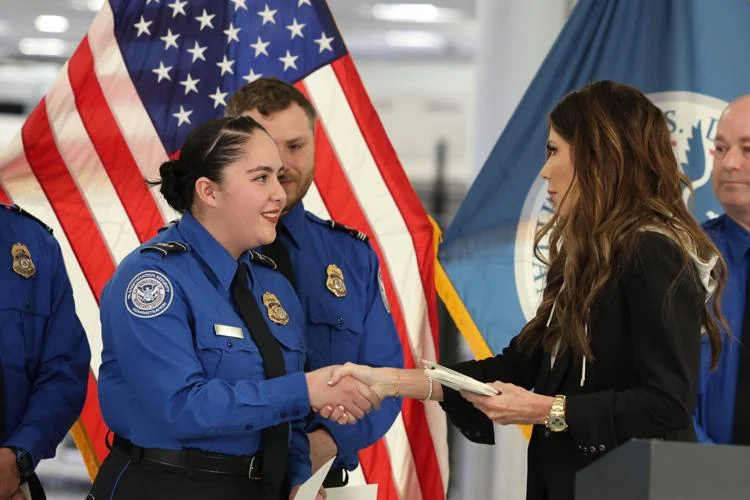
Negotiations between the White House and congressional leaders are ongoing. However, no agreement was reached before lawmakers departed Washington for a scheduled 10-day break. Members of Congress remain on standby and could be called back if a funding deal is struck.
Democratic lawmakers have tied new DHS funding to changes in immigration enforcement policies following recent high-profile incidents. Until both sides reach a compromise, uncertainty will persist.
Meanwhile, spring break travel is approaching — traditionally one of the busiest travel periods of the year. Industry leaders warn that prolonged inaction could ripple beyond airports, affecting tourism, hotels, and the broader U.S. economy.
The Bottom Line
Airports remain open. Flights are operating. Air traffic controllers are being paid.
Yet the reality is clear: TSA officers are continuing to work without pay at U.S. airports amid another government shutdown, and that strain carries risks for travelers.
For passengers, the best strategy is preparation — arrive early, pack smart, monitor updates, and stay patient. For lawmakers, the pressure continues to mount as travelers and the travel industry await a resolution.
Until funding is restored, the nation’s airport security system will continue functioning — but under increasing stress.

