

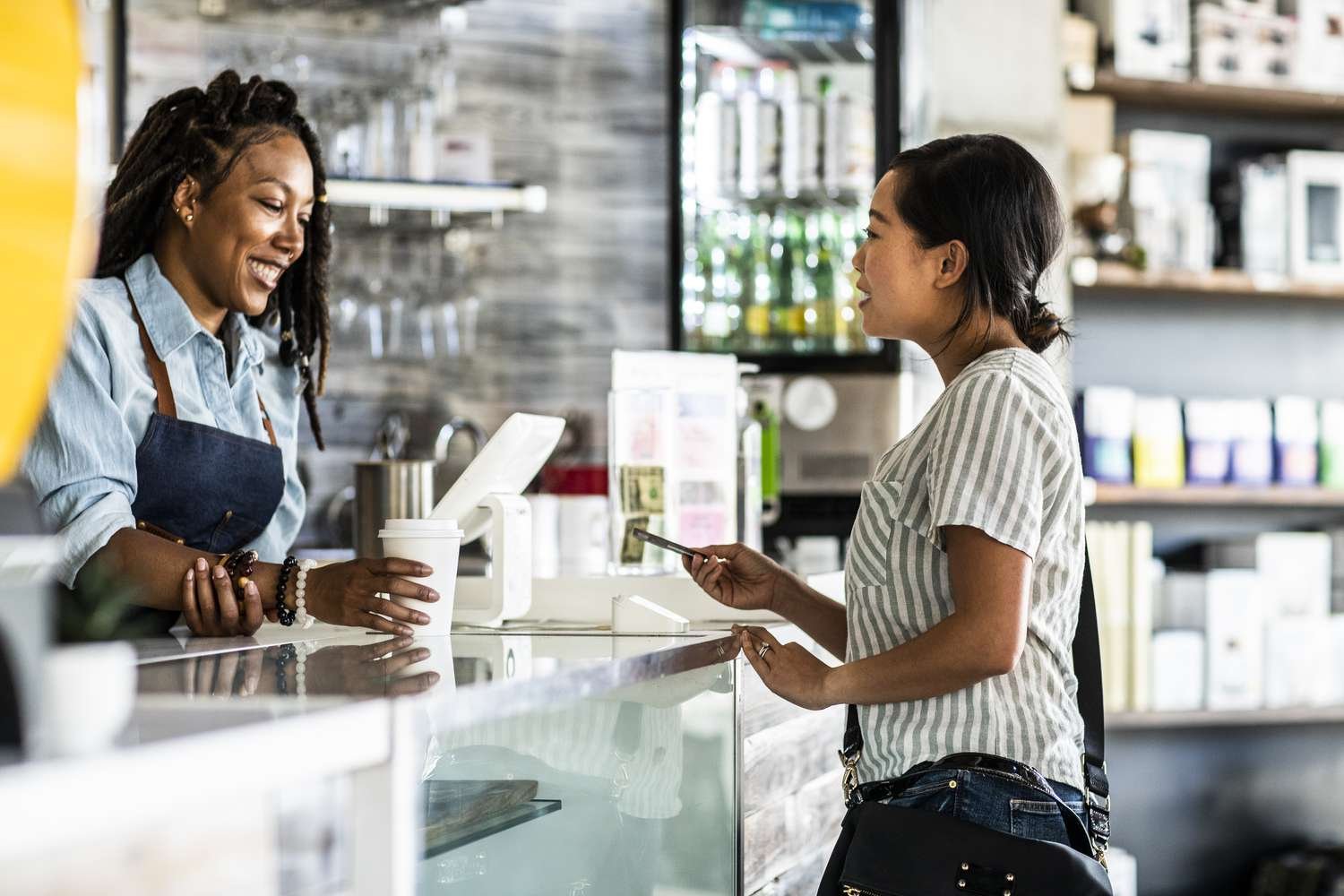
Rising coffee prices are reshaping the daily habits of many Americans, turning what was once an automatic morning routine into a careful financial decision.
For years, Chandra Donelson’s day began the same way: a stop at McDonald’s for a large coffee loaded with 10 sugars and five creams. Later, her taste evolved into Starbucks caramel macchiatos with almond milk and a couple of syrup pumps. No matter the variation, coffee was a constant.
It had been her ritual since she was old enough to drink it. But at 35, the Washington, D.C., resident did something she never imagined she would do — she quit.
“I did that daily for years. I loved it. That was just my routine,” she says. “And now it’s not.”
Sticker Shock at the Coffee Counter
Donelson isn’t alone. Across the country, longtime coffee lovers are reconsidering their daily brew as prices climb steadily higher.
According to the latest Consumer Price Index, coffee prices in the United States jumped 18.3% in January compared with a year earlier. Over the past five years, prices have surged nearly 47%. That kind of increase is enough to make even the most loyal caffeine devotee pause.
For some, the shift has been dramatic.
Liz Sweeney, 50, of Boise, Idaho, once considered herself a full-fledged coffee addict. She drank three cups at home daily and often added a café stop whenever she left the house. But as costs rose, she began trimming back. Now, she limits herself to one homemade cup a day and has cut out coffee shop visits entirely.
“Before, I thought there’s no way I could get through the day without coffee,” she says. “Now my car’s not on automatic pilot.”
To compensate for the caffeine dip, she sometimes grabs a Diet Coke instead — a cheaper alternative that still gives her a boost.
From Café Culture to Home Brewing
Dan DeBaun, 34, from Minnetonka, Minnesota, has also scaled back. As he and his wife save for a house, small daily expenses have come under scrutiny — especially coffee shop runs.
“What used to be a $2 coffee is now $5 or $6,” he says.
Instead of stopping at a café, DeBaun now buys ground coffee from Trader Joe’s, fills a travel mug at home, and heads to the office. The savings, he says, add up quickly.
Industry data supports what consumers are feeling. Toast, a restaurant payment platform, found that the median price of a regular hot coffee in the U.S. reached $3.61 in December. Cold brew drinks climbed even higher, with a median price of $5.55. Prices vary widely by city, but the upward trend is clear.
Why Coffee Costs More
Nearly all coffee consumed in the United States is imported. While tariffs briefly affected some coffee imports in 2025 before being removed, global climate challenges have played a major role in rising costs.
Drought conditions in Vietnam, heavy rains in Indonesia, and prolonged heat and dryness in Brazil — three major coffee-producing nations — have reduced crop yields. Lower supply, combined with strong demand, has pushed global prices upward.
Back home, that ripple effect is showing up on café menus and grocery store shelves.
Still Brewing Strong — But Differently
Roughly two-thirds of Americans drink coffee every day, according to the National Coffee Association. For many, it’s an essential ritual — a comfort, a pick-me-up, even a social anchor.
Surveys show that overall coffee consumption hasn’t dramatically declined. But Rising coffee prices are reshaping the daily habits of many Americans in subtle but meaningful ways: fewer café visits, more home brewing, and a growing openness to alternatives.
Sharon Cooksey, 55, of Greensboro, North Carolina, once treated herself to a caramel latte at Starbucks most weekday mornings. As prices crept up, she decided to experiment with brewing at home. First, she bought Starbucks beans for her kitchen. Then she discovered Lavazza — about 40% cheaper.
“I can buy a bag of coffee for $6?” she recalls thinking. “It felt like discovering a whole new world in the coffee aisle.”
Though even grocery store prices have edged higher, she notes that one bag of beans — lasting weeks — costs about the same as a single café latte.
Cooksey admits she misses the friendly greetings from baristas who knew her name. Yet she’s found something unexpected: she actually prefers the taste of her homemade brew.
“I’ll be damned if it didn’t taste so good,” she says with a laugh.
When the Math Wins
For Donelson, the tipping point came during a government shutdown last fall, when missed paychecks forced her to rethink expenses. Coffee, once untouchable, suddenly looked negotiable.
Searching for a replacement, she discovered a Republic of Tea blend sweetened with honey. The numbers spoke for themselves.
“Twenty cents a cup compared to $7 or $8,” she says. “The math just makes sense.”
Growing up, she had watched her mother make the same daily McDonald’s coffee run — 10 sugars, five creams — and eagerly adopted the habit herself. Through college, the Air Force, and into her career as a data and artificial intelligence strategist, coffee was always there.
Until it wasn’t.
A Cultural Shift in the Cup
For a nation built on busy mornings and takeaway cups, coffee has long symbolized comfort and productivity. Yet as everyday costs climb — from rent to groceries — even sacred routines are being reconsidered.
Some Americans are grumbling but paying the higher price. Others are brewing at home, switching brands, downsizing orders, or walking away altogether.
What’s clear is that Rising coffee prices are reshaping the daily habits of many Americans — not necessarily eliminating coffee from their lives, but redefining how, where, and how often they enjoy it.
The morning ritual isn’t disappearing. It’s just getting a little more intentional.

