


In a move that has drawn national attention, Amazon ends its partnership with a surveillance firm following backlash over its Super Bowl ad, marking a significant shift in its approach to public safety collaborations and privacy concerns.
Ring Terminates Planned Integration With Flock Safety
Amazon-owned smart doorbell company Ring has confirmed it is no longer moving forward with its planned partnership with Flock Safety, a company known for operating automated license plate recognition systems across the United States.
The decision comes after widespread criticism surrounding a 30-second Ring commercial that aired during the Super Bowl. The ad featured a lost dog reunited with its family through Ring’s AI-powered “Search Party” feature, which uses a network of neighborhood cameras to track movement. While heartwarming on the surface, the advertisement triggered concerns online about the broader implications of widespread camera surveillance.
Importantly, Ring clarified that the Search Party feature shown in the ad had no direct connection to Flock Safety. The company also stated that the cancellation of the planned integration was described as a “joint decision” and was not explicitly tied to the commercial backlash.
According to Ring, the partnership was still in development and never went live.
“Following a comprehensive review, we determined the planned Flock Safety integration would require significantly more time and resources than anticipated,” the company said in a statement.
Ring emphasized that because the integration was never launched, no customer video footage was ever shared with Flock Safety.
Flock Safety’s Role and Response

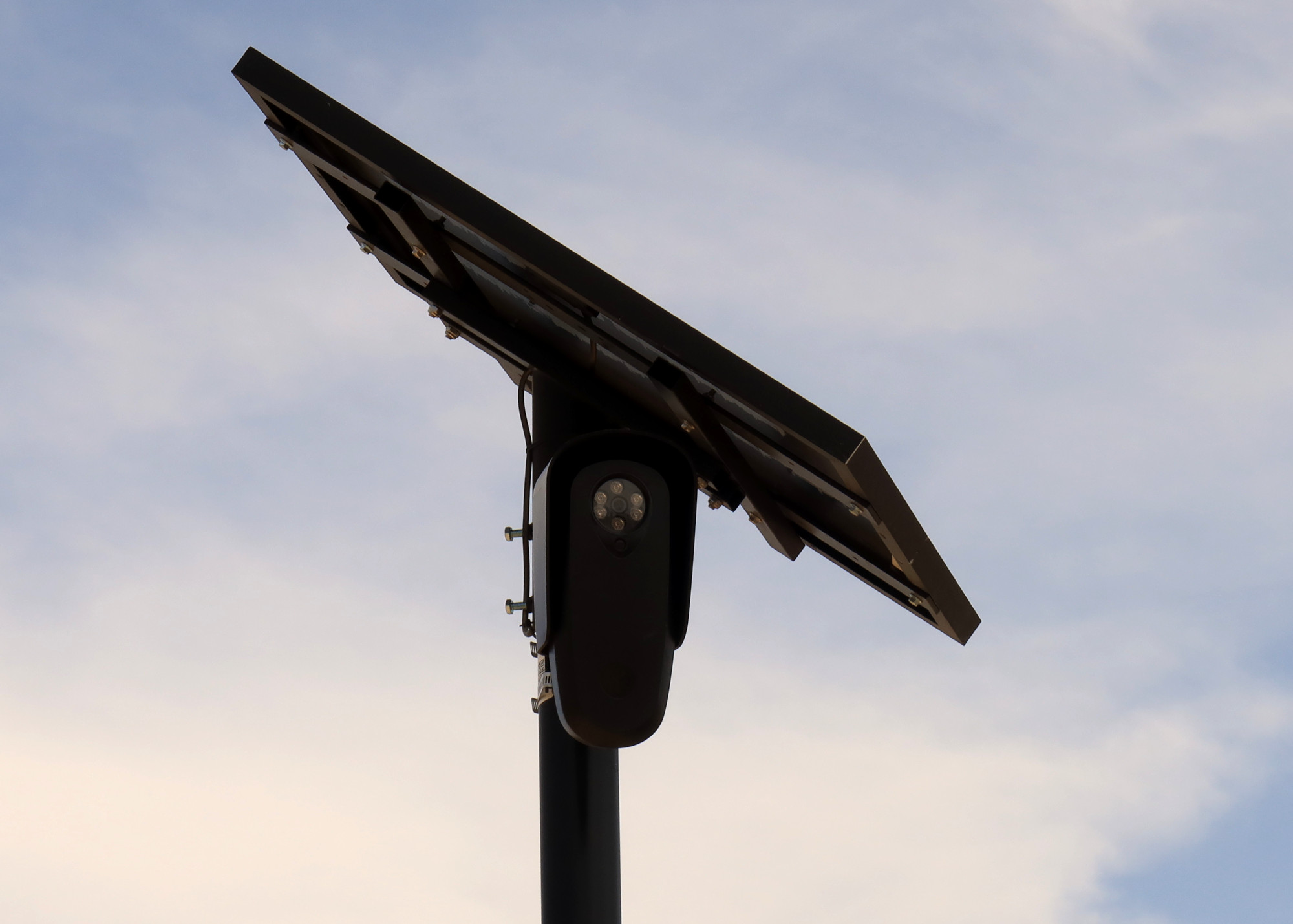

Flock Safety is one of the largest providers of automated license plate reader (ALPR) technology in the country. Its cameras are installed in thousands of communities, capturing billions of license plate images each month to assist law enforcement investigations.
In response to Ring’s announcement, Flock reiterated that it never received any Ring customer footage. The company described the termination of the integration as mutual, saying it would allow both organizations to better focus on serving their respective users.
Flock also emphasized that it remains committed to equipping law enforcement agencies with tools that comply with local laws and policies.
However, the company has not been without controversy. Amid heightened immigration enforcement efforts under the Trump administration, Flock faced criticism from privacy advocates concerned about how its technology might be used. The company maintains that it does not partner directly with Immigration and Customs Enforcement (ICE) and does not provide the Department of Homeland Security with direct camera access. Last year, Flock paused pilot programs involving Customs and Border Protection and Homeland Security Investigations.
Still, Flock notes that it does not own the data collected by its cameras. Instead, local law enforcement agencies control that data. If a police department decides to collaborate with a federal agency, Flock says it does not have the authority to override that decision.
The Super Bowl Ad That Sparked Debate

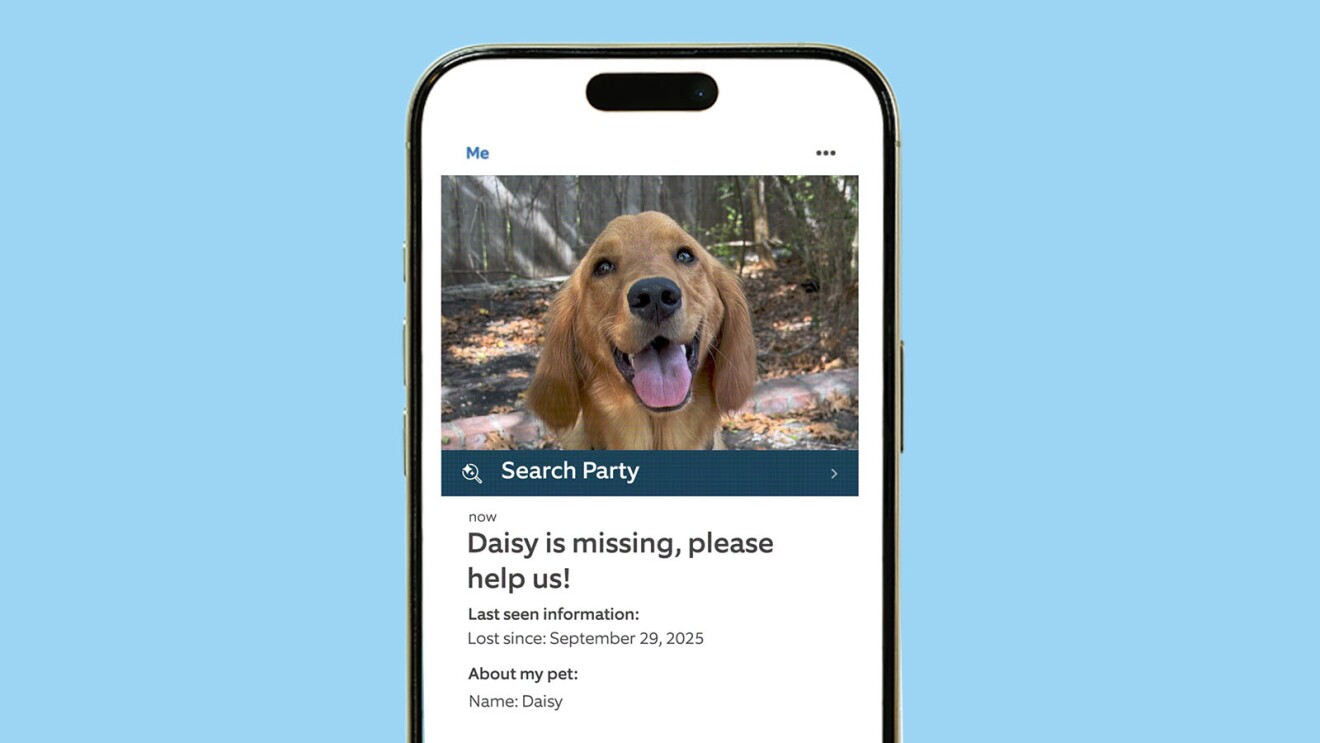

The controversy intensified after Ring’s Super Bowl advertisement showcased the Search Party feature. In the commercial, a dog escapes from its home and is tracked across a neighborhood through connected cameras, eventually leading to a joyful reunion with its family.
While the narrative was designed to highlight community safety and technological innovation, many viewers saw it differently. Social media quickly filled with comments suggesting the feature resembled dystopian mass surveillance. Critics questioned whether the same tracking technology could eventually be used to monitor people instead of pets.
Ring describes Search Party as a tool capable of helping reunite lost pets and even track wildfires threatening communities. The feature relies on artificial intelligence to analyze and connect footage from multiple cameras in a defined area.
Yet privacy advocates argue that the line between helpful technology and invasive monitoring can blur quickly.
Growing Privacy Concerns
Beyond its discontinued Flock integration, Amazon has faced ongoing scrutiny over Ring’s surveillance capabilities. Advocacy groups have long raised concerns about facial recognition and biometric data usage.
The Electronic Frontier Foundation (EFF), a nonprofit focused on digital civil liberties, expressed alarm following the Super Bowl commercial. The organization pointed out that Ring already offers a feature known as “Familiar Faces,” which uses facial recognition to identify individuals who approach a home. By comparing live footage to pre-approved stored images, the system can alert users when a recognized face appears.
Critics warn that combining neighborhood-wide search tools with biometric identification technology could significantly expand surveillance capabilities.
Democratic Senator Edward Markey of Massachusetts also weighed in, urging Amazon to discontinue the “Familiar Faces” feature altogether. In a letter to Amazon CEO Andrew Jassy, Markey stated that the public reaction to the Super Bowl advertisement underscored widespread unease about constant monitoring and advanced image recognition systems.
A Turning Point for Amazon’s Surveillance Strategy?
With Amazon ends its partnership with a surveillance firm following backlash over its Super Bowl ad, the company appears to be responding — at least in part — to mounting public pressure. While Ring maintains that the cancellation was due to logistical considerations rather than the advertisement controversy, the timing has fueled debate about the role of corporate accountability in surveillance technology.
As smart home devices continue to evolve, so too does the conversation about privacy, data ownership, and the limits of artificial intelligence. For Amazon and Ring, the challenge moving forward will be balancing innovation with public trust — a delicate line in an increasingly connected world.

