

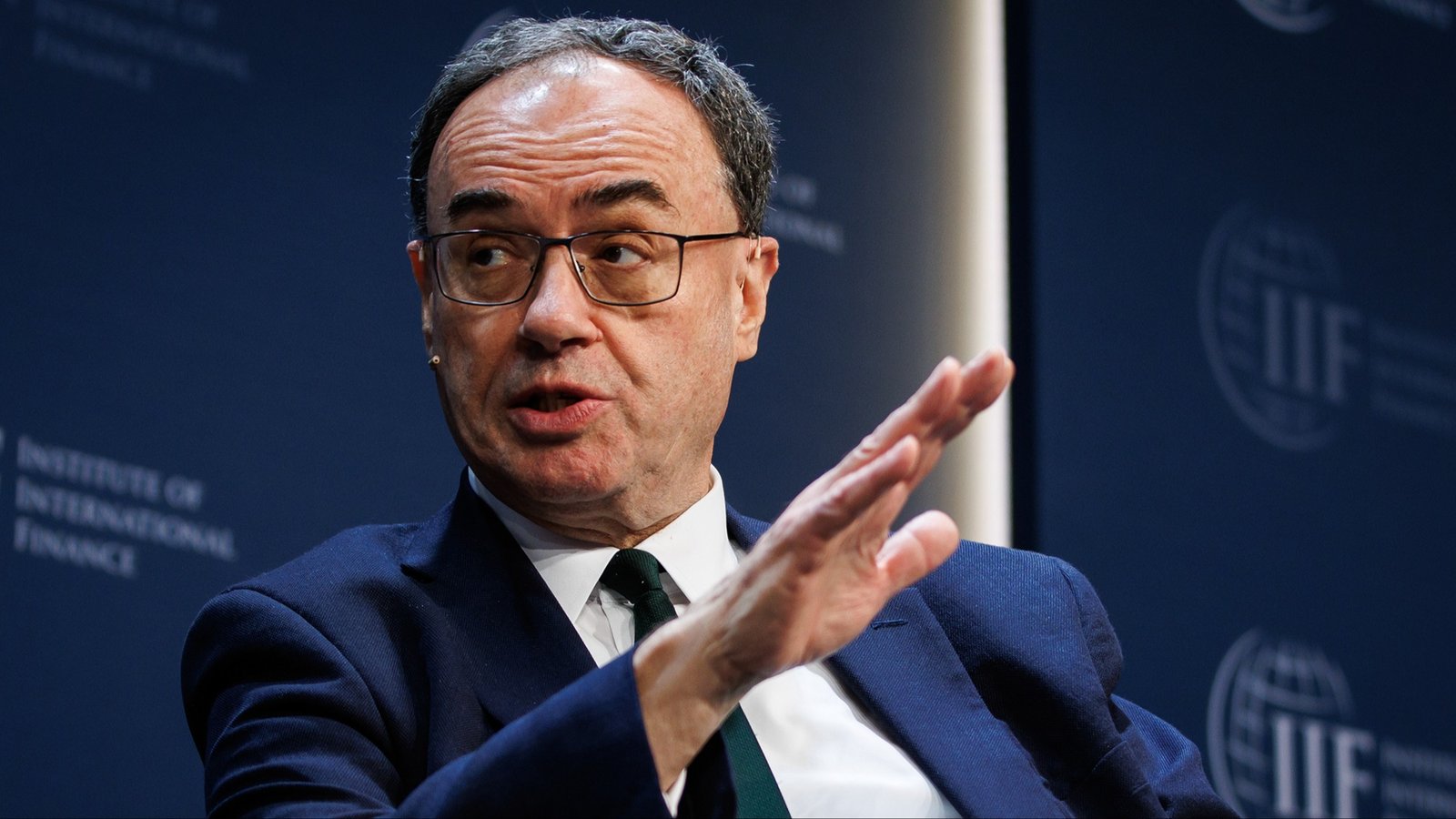
Bank of England Governor Andrew Bailey has raised fresh concerns about vulnerabilities in the global financial system, stressing the need to reinforce safeguards around market-based finance. According to Bailey, there is BoE Governor Andrew Bailey warns of an urgent need to strengthen the resilience of market-based finance, particularly in fast-expanding areas such as private credit, which could amplify shocks during periods of economic stress.
Writing in an article published by The Banker magazine on Tuesday, Bailey pointed out that this segment of finance has grown rapidly and now plays a significant role in the global economy. However, its size and diversity also bring challenges. He noted that market-based finance is often opaque, with complex international connections that are difficult for regulators to track and fully understand.
Stress Testing Beyond the Banking System
To address these concerns, the Bank of England launched a major stress test in December focused on the private equity and private credit sectors. The results of this exercise are expected early next year. Unlike traditional bank stress tests, this initiative is designed to examine how risks in these markets could spill over into the wider economy, rather than assessing the stability of individual firms.
This approach reflects the reality that many of these entities fall outside the BoE’s direct regulatory scope. While banks are tightly supervised, much of the market-based finance ecosystem operates beyond the traditional banking perimeter, creating potential blind spots for policymakers.

No Trade-Off Between Stability and Growth
Bailey also reiterated his long-held view that financial stability and economic growth are not mutually exclusive. He argued that the stronger position of the banking system today should not lead to complacency. Instead, regulators must stay alert to emerging risks that exist outside banks and pay closer attention to the evolving links between banks and non-bank financial institutions.
According to Bailey, the real challenge now lies in understanding these new interconnections and ensuring that risks do not build up unnoticed in less regulated parts of the financial system.
Regulatory Debate Intensifies
The discussion comes amid a broader political debate over financial regulation. Last year, UK finance minister Rachel Reeves criticised regulation, describing it as a “boot on the neck” of British businesses. At the same time, the administration of U.S. President Donald Trump has been exploring the possibility of easing capital requirements for banks.
In the UK, the Bank of England itself reduced certain capital buffers for banks in December—the first such move since the global financial crisis. The central bank defended this decision by arguing that other regulatory standards have become more stringent and that UK banks now play a smaller role on the global stage.

